Kopi vs Coffee: What Malaysians Actually Mean by Each Cup

Kopi and coffee come from the same basic ingredient—roasted coffee beans—but on a Malaysian menu they usually describe two different cups. Kopi commonly means the dark, aromatic drink brewed through a cloth sock and served with sugar, condensed milk or evaporated milk. “Coffee” at a modern café usually points to espresso or filter coffee made from conventionally roasted beans, often Arabica.
That is the useful answer. The honest answer is a little messier.
A kopitiam can brew Arabica. An espresso blend can include Robusta. Kopi can be ordered without milk or sugar, and a latte can arrive sweeter than either. The words tell you something about the tradition and preparation—not the moral quality of the cup.
Ordering shortcut: choose kopi when you want the familiar kopitiam profile and local milk-and-sugar language. Choose espresso-based coffee when you want the bean, shot and milk ratio to lead the drink. Neither is automatically stronger, fresher or better.
Kopi vs coffee at a glance

These are tendencies, not laws. Malaysia has old coffee factories producing very different local blends, modern roasters working with Liberica, cafés serving both kopi and espresso, and home brewers who refuse to stay inside any category.
Is kopi simply the Malay word for coffee?
Literally, yes: kopi means coffee. In ordinary Malaysian use, context does the rest.
If someone says, “Jom minum kopi,” they may mean coffee generally or simply suggest meeting for a drink. If a kopitiam menu says kopi, however, it normally refers to a particular local preparation. The word has accumulated a brewing method, an ordering language and a place in daily life.
The Khazanah Research Institute’s account of Malaysian coffee culture describes kopitiams as part of the country’s coffee life since the colonial era and distinguishes that tradition from the later Western café culture. It also notes the familiar calls of kopi O, kopi gau, kopi C and cham. That is why translating every one of them as simply “coffee” loses useful information.
The beans are different sometimes—not always
The neat internet version says kopi equals Robusta and Western coffee equals Arabica. Real cups are less obedient.
Traditional kopi often uses Robusta, Liberica or a blend because these coffees can deliver the body, aroma and roast intensity people expect after milk and sugar are added. Malaysia also has a genuine connection to Liberica. Recent Malaysian research on locally grown Liberica reports that it dominates domestic cultivation, even though Liberica remains a tiny part of coffee farming worldwide.
Modern specialty cafés tend to feature Arabica, but Arabica is not a brewing method or a guarantee of quality. It can be roasted light for filter coffee, medium for espresso or dark enough to make a very traditional-tasting cup. Robusta can also appear in an espresso blend for body and crema.
The species matters. The roast, freshness, grind, recipe and what goes into the cup matter too.
How traditional kopi is roasted
Many Nanyang-style coffees are roasted dark. Some traditional recipes roast or finish the coffee with sugar and a fat such as margarine. That creates a glossy, intensely aromatic bean with caramelised and roasty flavours. Recipes vary by producer, and “kopi” should not be read as one legally fixed formula.
Ipoh white coffee adds another layer of confusion. White coffee is not white, and it is not a flat white. It refers to a Malaysian roasting and serving tradition associated with Ipoh. One traditional producer interviewed by Bernama about Ipoh white coffee described roasting a blend with margarine, sugar and salt, then balancing the drink with condensed and evaporated milk. Other producers use different recipes.
Specialty and espresso coffee is generally dry-roasted: heat is applied to the green beans without coating them in sugar or fat. The roaster can still take those beans very dark. “No margarine” does not automatically mean “light roast,” just as “kopi” does not automatically mean one bean species.
The brewing method changes the cup
Kopi is commonly brewed through a long cloth filter often called a coffee sock. The brewer can prepare a concentrated batch, pour it between vessels and combine it with the requested milk and sugar. The cloth allows oils and fine particles into the drink, contributing to its body.
Espresso is made differently. Pressurised water passes through a compact bed of finely ground coffee to produce a small, concentrated shot. A latte, cappuccino or flat white begins with that shot and changes according to the amount and texture of fresh milk.
Filter coffee uses gravity rather than espresso pressure. A V60, batch brewer or French press can produce a longer black drink in which lighter, more delicate flavours are easier to notice.
This is why “kopi vs coffee” is not only a bean comparison. Change the brewer and you change concentration, texture and which flavours reach the cup.
Kopi ordering in Malaysia without the panic
The exact default can vary by shop, so point at the menu or ask when it matters. The following guide covers the most common usage:

“Kosong” is the word to remember when you want no sugar. “O” removes milk, not necessarily sweetness. That small distinction has rescued many breakfasts.
Is kopi stronger than coffee?
It often tastes stronger. That does not prove it contains more caffeine.
A dark roast, concentrated brew and strong Robusta component can give kopi a forceful flavour. Condensed milk may soften the bitterness without making the coffee taste weak. Espresso can taste even more concentrated, but the serving is small. A large filter coffee may taste gentler while delivering more caffeine simply because there is more of it.
Robusta generally contains more caffeine than Arabica, as the Khazanah Research Institute comparison also explains. Yet the caffeine in your drink still depends on the blend, dose, extraction and serving size. “Kopi,” “latte” and “flat white” are not caffeine measurements.
Is kopi less healthy than coffee?
Black kopi and black filter coffee can both be simple drinks. The comparison changes when condensed milk, evaporated milk, sugar or flavoured syrup enters the cup.
If sugar is the concern, order kopi O kosong or ask for less sweetness. If dairy is the concern, clarify what the shop uses. If you are counting calories or managing a medical condition, the name of the drink is less useful than knowing the actual ingredients and portion.
A syrup-heavy iced latte is not nutritionally superior because it came from an espresso machine. A small kopi is not automatically excessive because it came from a cloth sock. Look at the cup in front of you.
Can you make kopi with ordinary coffee beans?
Yes. You will not reproduce every kopitiam’s house flavour without its roast and recipe, but the brewing style is not locked to one branded bag.
For a home version:
- Use about 20 g of medium-fine to fine coffee for 180–220 ml of hot water.
- Brew through a clean cloth sock or sturdy cloth filter for roughly three to four minutes.
- Taste the coffee before adding anything.
- Add condensed milk for the familiar sweet style, or evaporated milk and sugar for a kopi C direction.
- Adjust the coffee concentration before adding more sugar. A weak base does not become stronger by becoming sweeter.
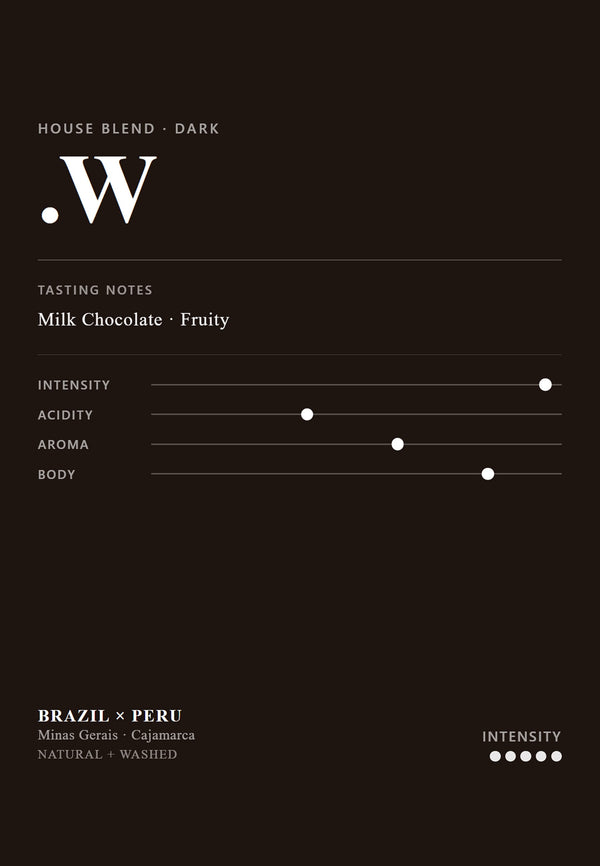
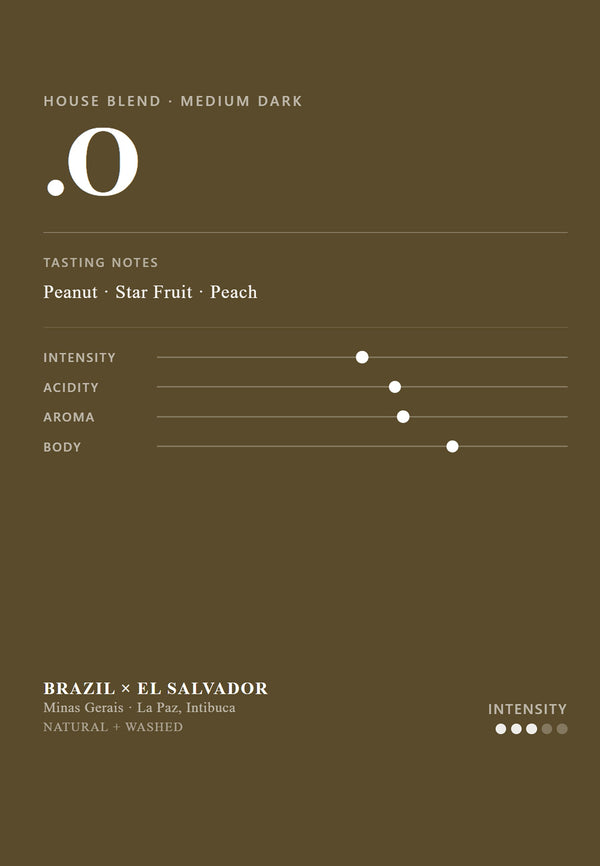
If you want a smooth Arabica cup that still feels familiar, Pulmur .O Brazil–El Salvador medium-dark coffee is the gentler starting point. If you want the coffee to stay loud through condensed milk, Pulmur .W Brazil–Peru dark roast has more roast intensity. Its product recipe is dry-roasted Arabica, so the result will not taste identical to sugar-and-margarine-roasted Nanyang kopi. That difference is the point, not a defect.
What should you choose?
- Choose kopi when you want the kopitiam aroma, familiar sweetness and a drink built around local ordering traditions.
- Choose kopi O kosong when you like that roast profile but do not want milk or sugar.
- Choose a latte when you want a softer, milk-forward espresso drink.
- Choose a flat white when you want steamed milk but a clearer espresso presence. Our latte vs flat white guide for Malaysia explains why café recipes still vary.
- Choose filter coffee when you want to notice more of the bean’s origin and lighter flavour details.
- Choose whichever you miss when the craving is specific. A technically perfect flat white does not replace kopi and kaya toast.
Malaysia does not have to choose one coffee culture. Tourism Malaysia has described local kopi, specialty lattes and other brewing traditions sharing the same coffee festival. That coexistence is a more accurate picture than the tired idea that one is old-fashioned and the other is sophisticated.