The practical difference between a latte and a flat white is the coffee-to-milk balance. A flat white is usually served smaller with less milk, so the espresso tastes clearer. A latte is usually larger and milkier, so it tastes softer. Both use espresso, steamed milk and fine microfoam.
Usually is doing important work there.
Order the same drink at three cafés in Kuala Lumpur and you may get three cup sizes, two shot recipes and one barista who insists the difference is entirely about foam. There is no single worldwide recipe that every café follows. The best way to choose is to decide whether you want more coffee presence or more milk-not to memorise a ratio that the café may not use.
Order a flat white when you want a short, silky milk coffee with a stronger espresso taste. Order a latte when you want a longer, gentler and more milk-forward drink. If caffeine matters, ask how many shots the café uses.
Flat white vs latte at a glance
| Feature |
Flat white |
Latte |
| Espresso base |
Usually one double espresso |
Usually one or two shots, depending on size and café |
| Typical serving |
Smaller |
Larger |
| Milk quantity |
Less |
More |
| Foam |
Thin, glossy microfoam integrated through the drink |
Silky steamed milk with a little more room for microfoam |
| Coffee flavour |
More noticeable |
Softer and more diluted by milk |
| Texture |
Velvety and compact |
Creamy and more milk-forward |
| Best for |
Someone who likes espresso but wants its edges rounded |
Someone who wants an easy, longer milk drink |
A Malaysian training guide from JWC Academy gives the same useful distinction: flat white is smaller and stronger in coffee proportion, while latte is larger, softer and milkier. It also warns that cup sizes and recipes vary by café. That caveat matters more than arguing over whether a particular drink should contain exactly 150 or 180 ml.
What is a latte?
A café latte combines espresso with a generous amount of steamed milk and a thin layer of microfoam. It is one of the easiest espresso drinks to approach because the milk softens acidity and bitterness while adding sweetness and body.
In Malaysia, a latte may arrive hot in a ceramic cup, iced in a tall glass or flavoured with gula Melaka, pandan, caramel, hazelnut or half a dessert menu. Those versions are still built on the latte idea: espresso spread through a relatively large amount of milk.
A plain latte should not need to taste weak. If it disappears into the milk, the café may be using a large cup with too little espresso, a very gentle bean or a shot that was not extracted well. At home, changing the coffee or reducing the milk is usually more effective than pouring in another syrup.
What is a flat white?
A flat white also combines espresso and steamed milk, but normally in a smaller cup with less milk. The milk is textured into fine microfoam and poured so it becomes part of the drink rather than sitting as a dry cap on top.
“Flat” does not mean no foam. It means no tall, stiff mound like an old-school cappuccino. A good flat white still needs glossy, well-textured milk. The surface is level enough for latte art, and the texture should feel like warm liquid velvet rather than bubbly bath foam.
Australia and New Zealand both have claims around the drink’s origin. You do not need to settle the argument before breakfast. The part that survived internationally is the useful one: a compact milk coffee in which espresso remains obvious.
Does a flat white taste stronger than a latte?
Usually, yes. It has a higher proportion of espresso to milk.
That is strength by flavour, not necessarily by caffeine. If both drinks contain the same double shot, they contain roughly the same caffeine before any small extraction differences. The latte simply spreads that coffee through more milk.
A café could use two shots in its flat white and one in a small latte, making the flat white higher in caffeine. Another café could put two shots in both. A chain may increase shots as cup sizes grow. Ask the counter when caffeine is the question; the menu name cannot answer it.
Which has more milk, foam and calories?
The latte normally has more milk because it is normally the larger drink. That often means more calories in a plain, unsweetened version made with the same milk.
The foam comparison is widely oversimplified. Both drinks should use microfoam: tiny bubbles distributed through steamed milk. A latte may carry a slightly deeper foam layer because there is more milk to work with, while a flat white keeps the layer thin and integrated. Neither should arrive with spoonfuls of dry, separate froth.
Calories change far more with cup size, milk type, sweetener and syrup than with the word flat. An unsweetened whole-milk flat white can contain more energy than a small low-fat latte. An iced flavoured latte can contain much more than either. Check the actual recipe if this matters to you.
Why do cafés serve different versions?
Because drink names travel more easily than the cafés that created them.
A traditional independent café may treat a flat white as a fixed small cup. A chain may offer it in several sizes. Some cafés use a double ristretto, others a standard double espresso. Some make the latte and flat white with the same milk texture and distinguish them mostly by cup volume.
This does not make every recipe equally useful. If a 12 oz flat white and 12 oz latte contain the same shots and the same milk, the distinction has nearly vanished. But menu inconsistency is real, and scolding the barista with a diagram from another country will not improve the drink.
Ask two questions instead:
- How many espresso shots are in each drink?
- What cup size do you use?
Those answers tell you more than the names.
Latte vs flat white vs cappuccino
All three begin with espresso and steamed milk. The difference is balance and texture.
| Drink |
Milk balance |
Foam character |
How it drinks |
| Flat white |
Less milk, high coffee proportion |
Thin, integrated microfoam |
Silky and espresso-forward |
| Latte |
Most milk |
Fine microfoam, usually slightly more volume |
Soft, creamy and easy to sip |
| Cappuccino |
Less liquid milk than a latte |
More aerated and foam-forward |
Lighter, airier texture with a clear coffee base |
Modern cappuccinos can also be very silky rather than dry, so café style still matters. The useful ordering sequence is compact and coffee-forward for flat white, larger and milky for latte, airier for cappuccino.
What about iced latte vs iced flat white?
An iced latte makes sense: espresso, cold milk and ice in a longer glass. An iced flat white is harder to define because steaming and integrated microfoam are part of what makes the hot drink distinctive.
Many cafés use “iced flat white” to mean a smaller iced milk coffee with an extra shot or less milk. That can be delicious, but it is mainly a ratio decision. Ask the size and shot count. If both iced drinks use the same cup, milk and espresso, only the label changed.
For a stronger iced drink, order an iced latte with an extra shot or less milk. It is clearer than hoping every café shares the same private definition of iced flat white.
How is this different from kopi or white coffee?
A latte and flat white are espresso drinks made with fresh milk. Malaysian kopi is commonly cloth-filtered and mixed with condensed or evaporated milk. Ipoh white coffee is a local roasting and serving tradition, not another name for a flat white.
The terms overlap in one important way: all can be strong, smooth milk coffees. The beans, roasting and preparation are different. Read the full kopi vs coffee guide if you are trying to translate a kopitiam craving into beans for an espresso machine.
Which beans work for a latte or flat white?
Milk reduces the apparent intensity of coffee and makes some delicate flavours harder to notice. For most home drinkers, a medium-dark or dark espresso with chocolate, caramel or nut-led flavours is the forgiving choice.
A flat white exposes more of the espresso, so balance matters. A harsh shot remains harsh with less milk. A latte is more forgiving, but a very light or subtle coffee can disappear inside a large cup.
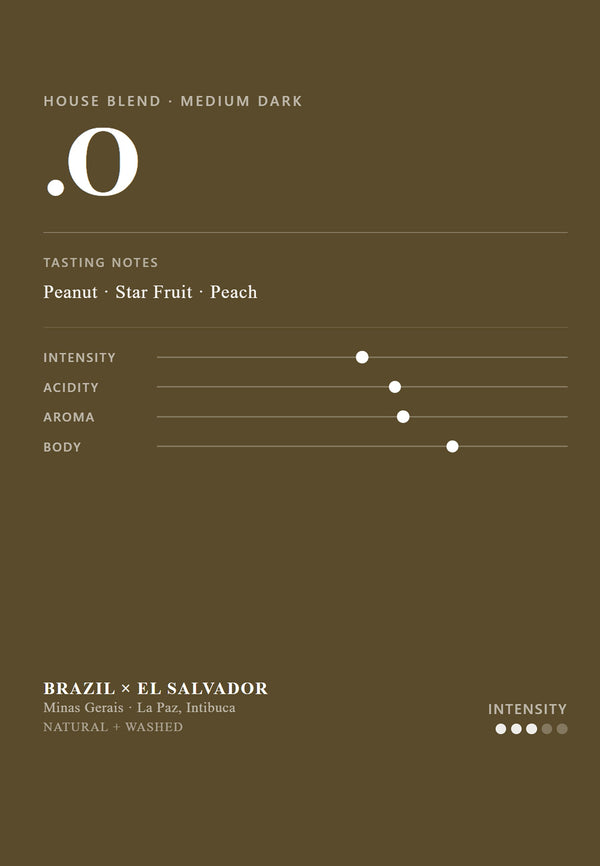
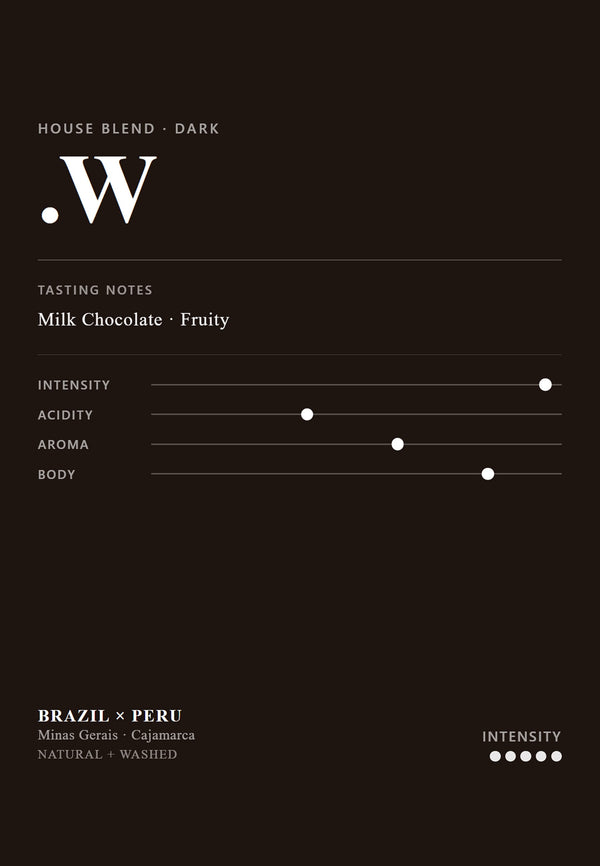
For a smooth cup, Pulmur .O Brazil–El Salvador medium-dark coffee works in either drink and is the sensible starting point. For a large latte, iced milk drink or a cup where the coffee keeps going missing, Pulmur .W Brazil–Peru dark roast brings more intensity. You can also compare Pulmur’s medium-dark coffee collection before choosing.
Not sure which Pulmur coffee suits the way you drink a latte or flat white? Take the Pulmur coffee quiz to narrow the choice based on how you normally enjoy your coffee.
If the espresso tastes sharp before milk is added, do not expect the milk ratio to fix the extraction. Use Pulmur’s sour-coffee troubleshooting guide to adjust the grind, time and temperature first.
How to make both drinks at home
Start with the same espresso, then change the milk. This makes the difference obvious and stops the recipe from becoming a shopping list.
Want to adapt the recipe to your own cup? Use Pulmur’s coffee brew calculator to find a practical starting ratio, then adjust the grind and milk until the drink tastes balanced.
Starting espresso recipe
- 18 g finely ground coffee
- 36–40 g espresso in the cup
- About 25–30 seconds as a starting range
Taste the espresso. If it runs very quickly and tastes thin or sour, grind finer. If it crawls out and tastes dry or harsh, grind coarser. The numbers are a starting point, not a verdict.
Home flat white
- Pull the double espresso into a 160–180 ml cup.
- Steam roughly 120–140 ml of milk, allowing only a small increase in volume.
- Swirl until the milk looks glossy with no visible large bubbles.
- Pour promptly, keeping the microfoam integrated.
Home latte
- Pull the same double espresso into a 220–300 ml cup or glass.
- Steam roughly 180–240 ml of milk with fine microfoam.
- Pour through the espresso and finish with a thin, glossy surface.
- If the drink tastes weak, reduce the milk before changing everything else.
Your cup capacity and the milk left in the pitcher will change those amounts. Keep the espresso constant for the first comparison. The flat white should taste more coffee-forward; the latte should feel longer and softer.
How to texture the milk properly
Use cold milk and a cold pitcher. Introduce a little air near the beginning, then keep the wand tip positioned so the milk rolls in a vortex. Stop before it becomes painfully hot and tap out any visible large bubbles.
The target is glossy milk that moves as one liquid. If it looks like hot milk under a raft of foam, the air was not integrated. If it screams without changing texture, the wand is too deep. If it erupts into large bubbles, the tip is too high.
Oat and other plant milks can work, especially barista formulations designed to stretch without separating. They may need a lower final temperature and gentler aeration. Judge the texture in the pitcher rather than forcing dairy timing onto a different product.
Can you make them without an espresso machine?
You can make a satisfying short or long milk coffee, though it will not be identical to café espresso.
Use a moka pot or a concentrated AeroPress recipe, heat the milk separately and froth it with a French press, hand frother or whisk. Keep the coffee base the same and use less milk for the flat-white direction, more for the latte direction.
The name matters less at home than the result. A strong moka-pot coffee with glossy milk can be excellent even if a competition judge would not call it a textbook flat white.
Which one should you order in Malaysia?
-
You drink espresso but want it rounder: flat white.
-
You are new to coffee or dislike a strong espresso taste: latte.
-
You want flavoured syrup: latte usually gives it more room.
-
You want less milk: flat white, but confirm the cup size.
-
You want more caffeine: ask for the shot count rather than guessing from the name.
-
You want a cold drink: iced latte, adjusted with less milk or an extra shot if needed.
-
You actually want condensed milk and kopitiam aroma: order kopi. A flat white is not a prestige replacement for it.