
Coffee Roast Date: How Long Do Coffee Beans Stay Fresh?
You find the roast date on a new bag. Three days ago. So do you open it now, leave it a week, or panic because you are already burning through its best days?
The short answer: the roast date is the most useful number on a coffee bag, but it is not a countdown to one correct day. Coffee changes after roasting, and the pace depends on the roast level, the packaging, whether it is whole or ground, and how you store it. Buy an amount you can finish, follow the roaster's resting advice, and write the date you opened it on the bag.
That last habit will tell you more than chasing the newest date on the shelf.
Roast date, best before, and the day you opened it
| Date | What it tells you | What it doesn't |
|---|---|---|
| Roast date | When the green coffee was actually roasted | The exact day it will taste best, or whether it was stored well since |
| Best before | The producer's quality guidance, under their stated storage conditions | The roast date, unless they also explain how the two relate |
| Date opened | When air first got in and your storage routine took over | A universal expiry date |
Best-before information still matters. The UK's Food Standards Agency draws the distinction clearly in its explanation of food date labels: best before is about quality, use by is about safety. That is general background rather than Malaysian labelling law, so follow the instructions on your own pack.
A roast date adds information. It does not make the rest of the label pointless.
Why coffee sometimes needs to rest
Roasting traps carbon dioxide inside the beans, and it escapes gradually afterwards. That is degassing. Very fresh coffee gives you a dramatic bloom in a pour-over and plenty of crema on an espresso, which looks impressive but does not automatically mean it tastes better.
In his SCA lecture on coffee freshness, researcher Samo Smrke separates physical changes like degassing from chemical ones like aroma loss and oxidation. That distinction explains the apparent contradiction: resting can make a coffee brew more predictably at the same time as it is slowly ageing.
Ask your roaster when to start brewing that specific coffee, particularly for espresso. There is no single resting period that suits every roast. If nobody tells you, keep your recipe steady and compare small brews across the first week rather than assuming day three is the magic one.
Keep resting beans sealed. Leaving the bag open on the counter to “let it breathe” is not a shortcut, it is just staling.
How long do coffee beans stay fresh?
Think of it as a useful drinking window rather than a cliff edge. A coffee can be enjoyable before or after somebody else's preferred window.
The National Coffee Association's storage guidance suggests buying smaller amounts and gives roughly one to three weeks for opened roasted beans kept airtight at room temperature. Treat that as shopping advice, not a laboratory guarantee and certainly not a safety expiry.
For a bag that has just arrived, here is the practical version:
- Just roasted: check the resting advice before making big recipe changes. An unsettled espresso is not proof of a bad roast.
- Once it brews well: keep the bag shut between uses and write down a recipe you like. Expect small adjustments as it ages.
- Several weeks after opening: aroma and sweetness fade first. Compare against a newer bag before you start blaming your grinder.
- If you won't finish it: freeze it properly in small sealed portions rather than opening the same big bag for months.
Packaging matters too. An unopened bag with a one-way valve and a bag you open every single morning are not the same thing, even with an identical roast date.
Whole beans and ground coffee age differently
Grinding massively increases the surface area exposed to air. Peter Giuliano explains the speed of gas release after grinding in the SCA's explanation of fresh coffee. It is the main reason to grind close to brewing if you can.
That said, buying ground coffee is a perfectly sensible choice if you do not own a decent grinder. A cheap blade grinder is arguably worse than good pre-ground. Just pick the grind for your brewer and buy an amount you will get through steadily, rather than leaving a month's worth open while you work past three other bags.
For espresso specifically, pre-ground gives you no room to adjust as the coffee ages. Tell the seller what machine and basket you use. “Fine” is not a setting everybody shares.
Storing coffee in Malaysian heat and humidity
This is where a lot of imported storage advice falls down. Guidance written for a dry European kitchen does not account for opening a bag in a KL kitchen at 80% humidity with the kettle going.
The goal is to limit exposure to air, moisture, heat and light. An expensive canister will not save you if the lid sits open next to a steaming kettle.
- Close the bag properly the moment you have measured out your dose.
- Keep it in a cool cupboard, away from sunlight, the hob and the kettle's steam.
- Use a dry scoop. Wet hands and damp spoons are how moisture gets in.
- Write the opening date on the bag, especially if you keep more than one coffee going.
- Keep only a manageable amount in your daily container.
A one-way valve lets gas out. It does not tell you how old the coffee is, and it does not make repeated opening harmless.
Should coffee go in the fridge?
For the bag you use daily, a well-sealed cupboard is simpler. Moving coffee between a cold fridge and a warm kitchen invites condensation, and loosely sealed coffee will happily take on the smell of everything else in there.
That is not to say refrigeration instantly ruins coffee. Packaging and handling decide it. Just do not treat a clipped-shut bag next to last night's curry as a freshness strategy.
Can you freeze coffee beans?
Yes, and for surplus coffee it genuinely works. Coffee educator James Hoffmann covers it as a storage option in his guide to freezing coffee beans.
The home routine: divide into small airtight portions before freezing. Take one out, let it come up to room temperature while still sealed, then open it. Do not keep thawing and refreezing the whole lot. Freezing preserves what you put in. It cannot give back flavour that has already gone.
Pick your bag size from your actual recipe
At 18g once a day, 250g covers roughly 13 brews before waste. Two people at 18g each will clear 500g in about the same time. A kilo will last one person months, which is exactly the problem.
Your mug size is not enough to work this out. Use the brew calculator to find a starting dose for your method, then work backwards to a sensible bag.
For an office with a variable headcount, do not buy for the busiest week you can imagine. Our office coffee guide covers demand planning and reordering.
What to check when your order arrives
Look at the roast date, the seal and the storage instructions. If the date is missing or vague, ask. A big hit of aroma when you open the bag is lovely but it is not a precise measure of age.
“Received on 19 Sep and the roast date was recent. Bag also sealed properly.”
We roast in small batches in Kuala Lumpur every week, ship within two days of roasting, and print the roast date on every bag. Dispatch and arrival are not the same thing, so check current delivery times for your area.
Once you know roughly how much you get through, browse the range and pick a pack that fits your week.
Frequently asked questions
Can I drink old coffee beans?
Age alone does not decide whether a bag is safe. Follow the label and think about how it has been stored. Throw out coffee with mould, moisture damage or an off smell, and do not taste suspicious coffee to check. Stale and unsafe are different questions.
Are beans roasted yesterday always better?
No. Very fresh coffee often needs a few days to settle, especially for espresso. Ask the roaster and judge the cup, not the smallest number of days.
Does oily coffee mean stale coffee?
Not necessarily. Surface oil shows up on darker roasts as a matter of course, and it can also appear as coffee ages. Use the roast date and storage history rather than the shine.
Will fresher beans fix sour coffee?
Usually not. Sourness is more often the recipe or the coffee's own profile. Our sour coffee guide works through the variables before you buy another bag.
Shop the article

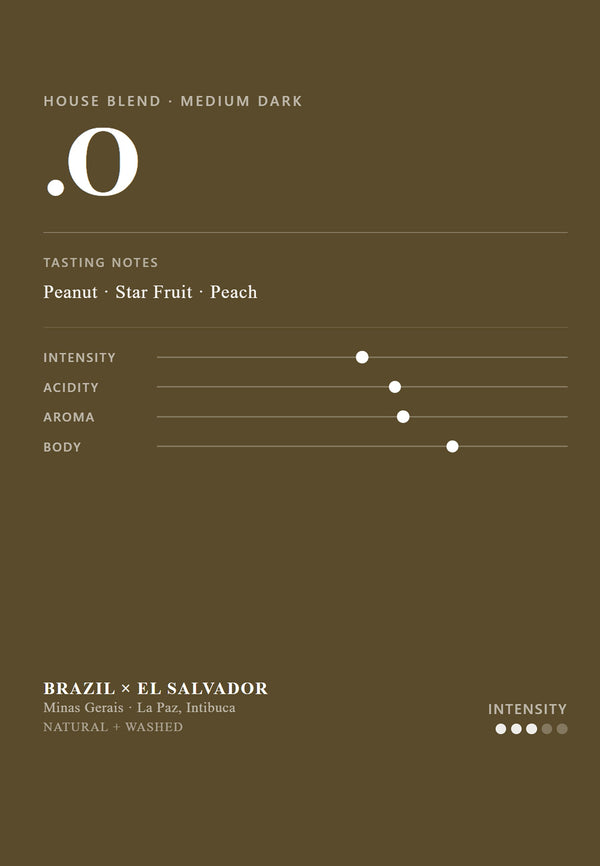
.O - Brazil × El Salvador
Not sour · Works for espresso & latte

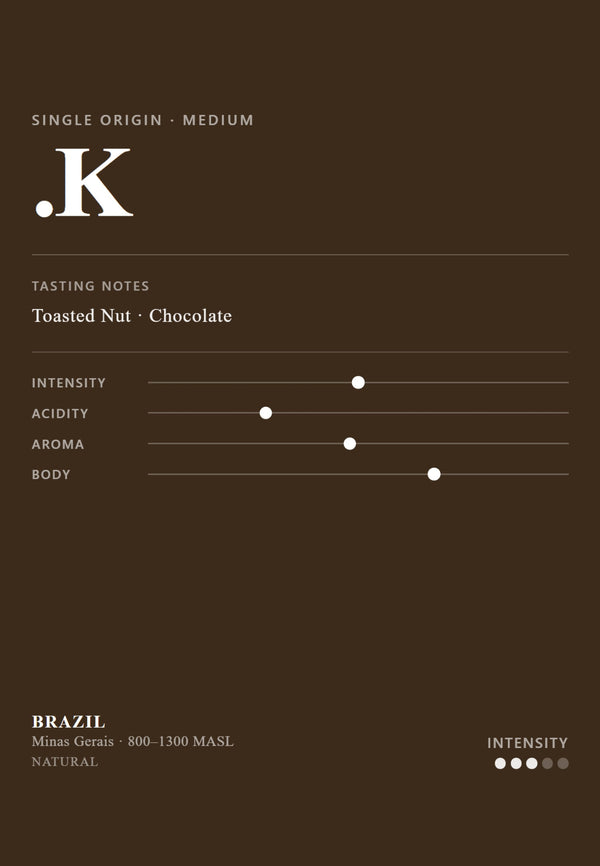

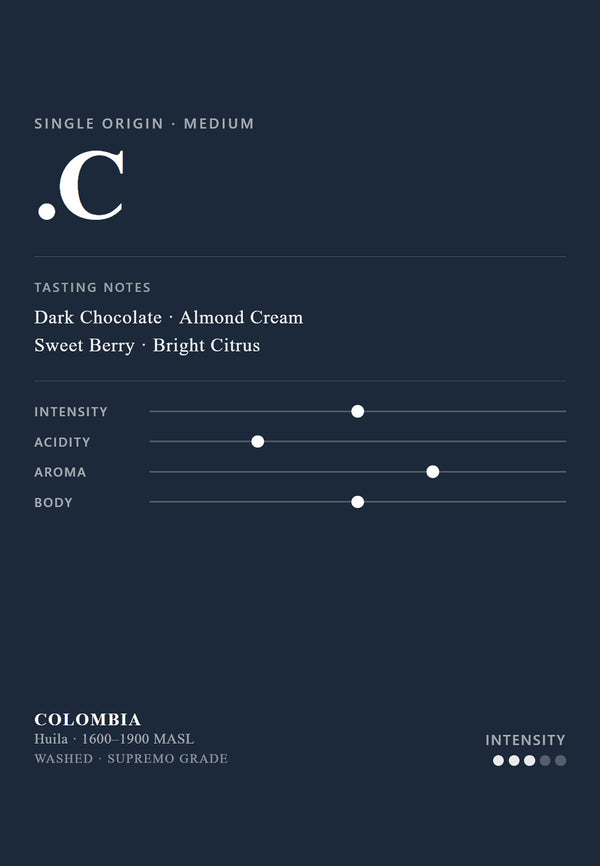
.C - Colombia Supremo
Bright & layered · Fruity espresso