
Arabica vs Robusta: What's the Difference, and Which Should You Buy?
“100% Arabica” is printed on a lot of coffee bags, usually in a font that wants you to feel reassured. Robusta gets mentioned as the cheap, strong one. Neither label tells you whether you will enjoy what is in the cup.
The short version: Arabica and Robusta are two different plant species. Robusta generally has more caffeine and a bolder, more bitter edge. Arabica covers a huge flavour range, from chocolate and nuts through to fruit and flowers. Both species contain excellent coffee and terrible coffee, and the label on the bag will not tell you which one you are holding.
If you are buying beans for a morning latte, a black coffee or a kopi-style cup, the question worth asking is what this particular coffee tastes like after roasting and brewing.
Arabica vs Robusta at a glance
| What you're comparing | Arabica | Robusta |
|---|---|---|
| Species | Coffea arabica | Coffea canephora, usually called Robusta |
| Flavour tendencies | Wide range, from chocolate and nuts to fruit and florals | Often bolder with more bitterness. Carefully produced lots can be far more nuanced |
| Caffeine in the bean | Generally lower | Generally higher |
| Growing conditions | Prefers cooler, higher ground | Handles heat and lowland conditions better |
| Price | Usually more expensive at comparable commercial grades | Usually cheaper at comparable grades. Fine Robusta is its own market |
| Common uses | Filter, espresso, blends, single origins | Espresso blends, instant coffee, many traditional kopi blends |
| What the name can't prove | Freshness, a roast you'll enjoy, or a well-made brew | Poor quality, harshness, or an exact caffeine dose |
The National Coffee Association's overview of coffee varieties covers these broad differences. Useful for understanding a bag. Not a substitute for knowing the actual lot, roast and recipe.
Where they come from
Arabica is native to Ethiopia. World Coffee Research traces its early cultivation through Yemen and the spread of the major lineages in its history of Arabica. Robusta originated in central and western sub-Saharan Africa, as set out in WCR's Robusta catalogue.
That is where the species began, not where your bag came from. Arabica grown in Brazil is still Arabica. Robusta grown in Vietnam is still Robusta. And coffee roasted in Kuala Lumpur was almost certainly grown somewhere else, which is true of roasters everywhere.
Does Arabica actually taste better?
Sometimes. Other times the Arabica in front of you is stale, badly roasted, or simply not to your taste. The species name is not a quality certificate.
“Arabica is smooth, Robusta is harsh” is too blunt to be useful. Harvesting, processing, storage and roasting all shape the cup. So does how you brew it. A carelessly handled Arabica will lose to a well-made Robusta every time.
There is a proper professional framework for judging Robusta on its own terms. The Coffee Quality Institute's Q Robusta training evaluates it against Fine Robusta standards, covering flavour, sensory skill and defect identification. That is a more honest starting point than writing off an entire species.
When you buy, ask the seller what flavours to expect, which brewing methods the coffee suits, and how it was roasted. A straight answer tells you more than another “premium” badge.
Which has more caffeine?
Robusta beans generally carry more caffeine than Arabica beans. That does not mean every Robusta drink has double the caffeine of every Arabica one.
How much ground coffee you use, the blend, the brewing method and the size of the serving all move the number. A large mug made with a bigger dose is not the same comparison as equal doses brewed identically.
Separate caffeine from taste while you are at it. “Strong” can mean a concentrated drink, a dark roast flavour, or more caffeine. Those are three different things. The NCA's roast guide specifically warns against reading dark roast flavour as evidence of more caffeine. If anything, a longer roast burns some off.
Choosing Arabica is not the same as choosing decaf, and an intensity number on a bag is not a caffeine measurement.
Is Arabica coffee sour?
It can be. It does not have to be.
Some Arabica leans towards citrus and berries. Plenty of it is described around nuts, chocolate and caramel instead. Roast level and extraction shift the balance either way.
Two coffees from our own range make the point. Pulmur .O is a medium-dark Arabica blend, peanut-forward with a bit of gentle fruit. Our Ethiopia .F is a medium-roast Arabica full of berry and floral character. Both are 100% Arabica. They are not remotely the same cup.
If every brew from a new bag tastes thin and sharp, check your recipe before you blame the species. Our guide to sour coffee helps you tell a brewing fault from a flavour preference.
Is Malaysian kopi always Robusta?
No, and this is where the labels get genuinely confusing.
Kopi is simply the Malay word for coffee. In a kopitiam it also describes a whole preparation and serving style, not a bean. The word alone tells you nothing about the species in the cup.
Traditional Malaysian blends often include Robusta, sometimes Liberica, and recipes vary between producers. The beans are usually roasted with sugar and margarine, which is doing a lot of the work in that dark, treacly flavour. A sweet cup with condensed milk tells you about the preparation, not the blend percentage.
Robusta is also not a synonym for white coffee, instant coffee or any particular roast level. Those are separate things that often get bundled together. Our kopi vs coffee guide unpicks it properly if you are trying to recreate the cup you normally order.
So which should you buy?
If you drink a latte every morning
Compare coffees using the milk you actually use, in the size you actually drink. A 100% Arabica blend can hold up in milk perfectly well. So can a blend with Robusta in it. You do not need Robusta just to stop the coffee disappearing.
“I normally add milk, so I wanted coffee that will not disappear after mixing. This one stays strong enough and still feels smooth. Can consider buying again.”
If you like black coffee without much fruit
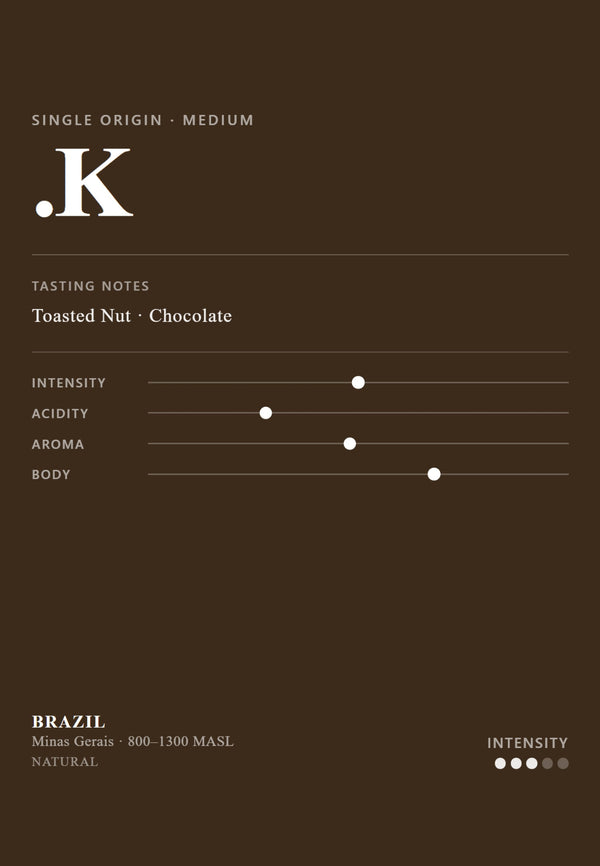
Look for chocolate and nut descriptions, and start with a small bag. “Arabica” and “single origin” are not enough detail to go on. Our guide to choosing beans when you don't like sour coffee compares specific bags and their trade-offs.
If you want a bold, traditional-style cup
A well-made Robusta blend may be exactly right, especially if that is the flavour you already love. A darker Arabica like .W gives you another route to strong and low-acid, though it will not reproduce your favourite kopitiam. Compare the finished drink rather than trying to make the labels match.
If you're buying for a café or office
Test the coffee on the equipment that will serve it, with the staff who will make it. Factor in recipe stability and cost per usable cup. Our supplier checklist covers what to ask before you set up a standing order.
What “100% Arabica” actually tells you
It tells you the declared species. That is the whole list.
It says nothing about when the coffee was roasted, how it has been stored, whether it leans fruity, or whether the grind suits your machine. Check those separately. Start with the roast date, and if you would rather work backwards from how you drink your coffee, take the coffee quiz.
Frequently asked questions
Are Arabica and Robusta roast levels?
No. They are coffee species. Either can be roasted light, medium or dark.
Is Robusta bad coffee?
No. Quality varies enormously within Robusta, exactly as it does within Arabica. Judge the roaster and the specific coffee, not the species.
Can you mix Arabica and Robusta?
Yes, and plenty of good espresso blends do. Ask what the blend is built for and how to brew it. The percentage on its own will not tell you how it tastes.
Is single origin coffee always Arabica?
No. “Single origin” describes sourcing. Arabica and Robusta describe species. Ask what the seller means by single origin too, since it can mean a country, a region, a farm or one specific lot.
Shop the article

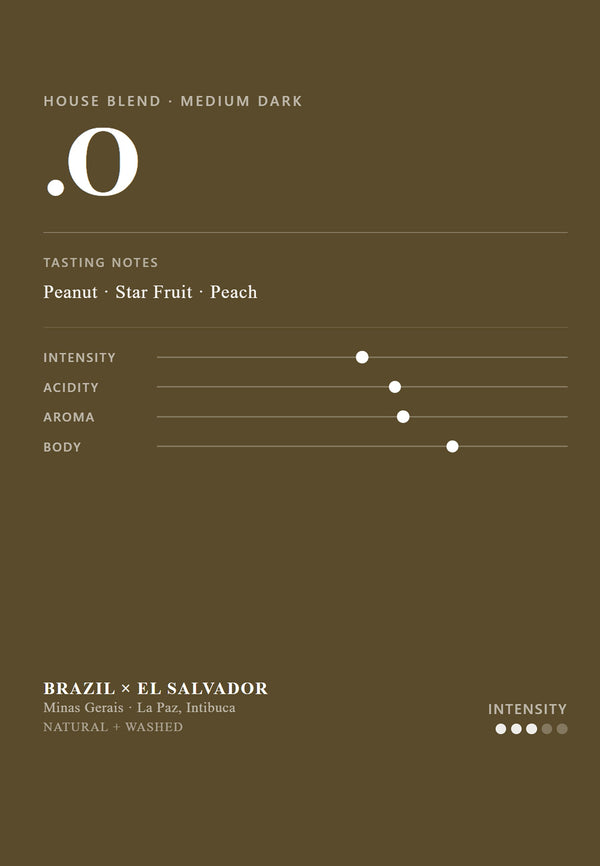
.O - Brazil × El Salvador
Not sour · Works for espresso & latte

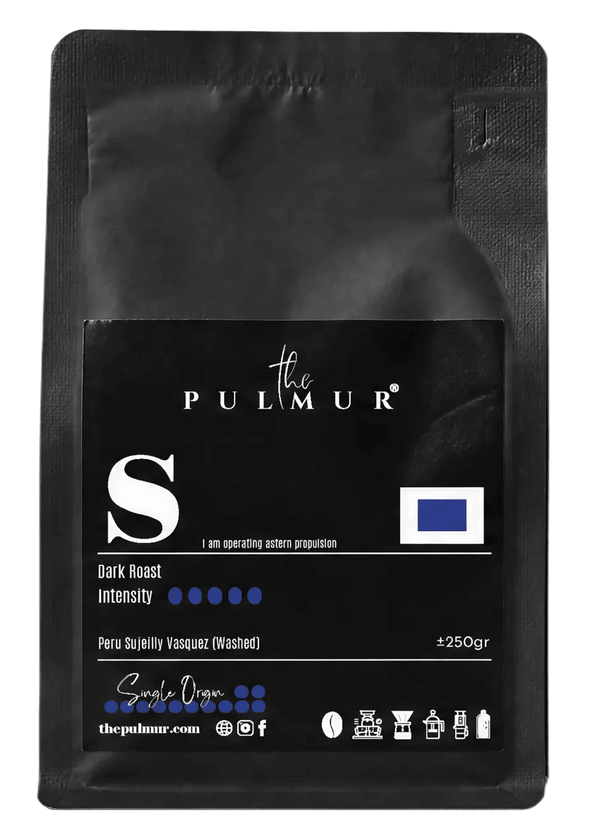
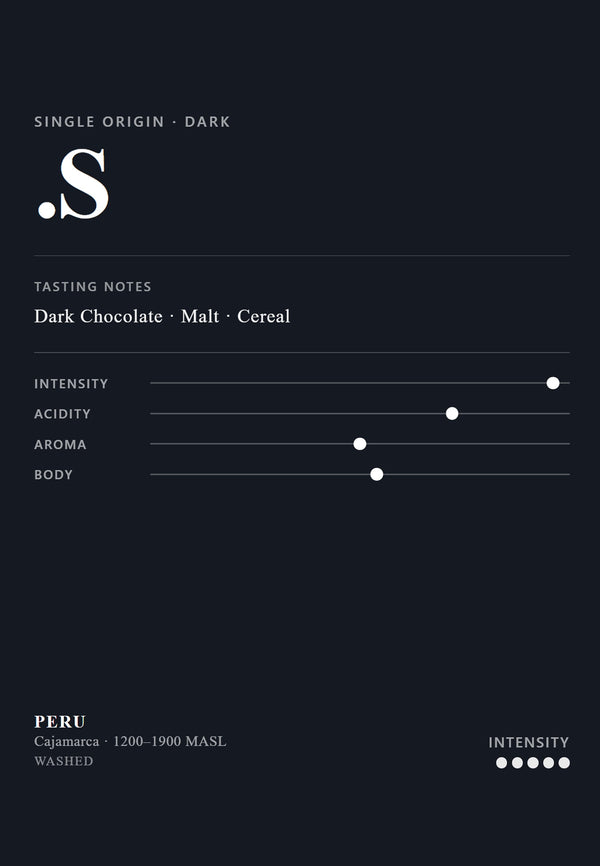
.S - Peru Sujeilly Vasquez
Maximum intensity · For serious dark roast drinkers