
Choosing a Coffee Bean Supplier in KL: A Guide for Cafes, Hotels and Offices
Coffee samples taste great in a quiet meeting room. The real test is 8:40 on a Monday, when the usual barista is off, the queue is out the door and the next delivery has not landed.
When you are choosing a coffee bean supplier in KL, the price per kilogram is the least interesting number on the quote. Test the coffee on your own equipment, work out the cost per usable cup, and get delivery, training and replacement terms in writing before you commit.
A café, a hotel breakfast service and an office pantry need three different things. Start from how the coffee will actually be served.
What does your business actually need?
| Business | What to prioritise | What to test |
|---|---|---|
| Café or kopitiam | Flavour across your actual menu, repeatability, support during service | Black coffee, milk drinks and sweetened drinks in your usual cups, with your usual milk |
| Hotel or restaurant | Breakfast volume, holding time, multiple service points, staff handovers | The first cup and the fortieth cup from a batch, plus workflow during a rush |
| Office | Simple operation, easy cleaning, sensible pack sizes, reliable replenishment | The existing machine, ordinary pantry users, demand across a normal week |
Before you request samples, write down your busiest period, expected drinks per day, equipment model and preferred flavour direction. If most drinks have milk in them, say so upfront. If the machine is shared by forty people with no barista training, that belongs in the brief too.
For a workplace, our office coffee setup guide helps you settle the format before you start comparing bean suppliers.
Run a sample trial that tells you something
Ask for enough coffee to dial in properly and make several comparable drinks. A 100g sample that barely survives one grinder adjustment tells you nothing about daily service.
- Get a starting recipe. Dose, yield or brew water, grind setting, contact time.
- Use your normal ingredients. Same milk, same water, same syrups, same cup sizes.
- Keep it fair. Give every candidate a proper dial-in. Do not force each coffee through the previous supplier's setting.
- Let your own team make it. A recipe that only works in the supplier's hands is a training problem waiting to happen.
- Write down the result. Flavour, difficulty, waste, and whether a second person can repeat the drink.
The Specialty Coffee Association's Coffee Value Assessment separates describing a coffee from judging how much you like it. That distinction is genuinely useful here. “Noticeable citrus” is a description. “Our customers want less citrus in their latte” is a buying decision. Record both. A venue trial like this is not a formal SCA assessment, and it does not need to be.
If your team needs a shared starting point for filter or espresso ratios, the brew calculator will give you one. The supplier should still help you adapt it to the coffee and the machine.
Compare cost per usable cup, not per kilo
A cheaper kilo does not always mean a cheaper cup. Dose, dial-in waste, purging and remade drinks all decide how far a bag actually goes.
Here is a worked example. These are illustrative figures, not a Pulmur quotation:
| Input or result | Supplier A | Supplier B |
|---|---|---|
| Bean price per kilogram | RM80 | RM85 |
| Assumed share lost to waste | 10% | 3% |
| Usable coffee per kilogram | 900g | 970g |
| Equivalent 18g servings | 50.00 | 53.89 |
| Bean cost per serving | RM1.60 | About RM1.58 |
The calculation is price per kg × dose in grams ÷ [1,000 × (1 − waste rate)]. The waste rates above are assumptions to illustrate the point, not industry benchmarks. Put your own numbers in.
The cheaper bag loses here on a 7% waste difference alone. Then add milk, cups, delivery, equipment, maintenance and staff time. Keep one-off installation costs separate from recurring ones so the quotes stay comparable.
Ask what “consistent” actually means
Coffee is an agricultural product. A blend will need component changes as lots run out and new harvests arrive. Any supplier claiming otherwise is either new or not being straight with you.
The useful question is how they hold the intended flavour through those changes, and whether they tell you when something shifts enough to affect your recipe. Ask how batches are checked, whether they can trace a delivered bag, and what happens when a batch falls outside profile. Request a second sample or a trial delivery where you can. One good cup does not demonstrate six months of performance.
“Already repeat few times. Batch quality quite consistent and delivery usually quick.”
That is a retail customer, not a wholesale account, and we are not going to pretend otherwise. For a business account, ask any supplier for a relevant reference or run a paid trial under the service terms you actually need.
Check roast dates and delivery separately
“Freshly roasted” and “arrives before Friday breakfast” answer different questions. Confirm when beans are roasted, when they leave the roastery, and which delivery estimate applies to your postcode.
For KL and the wider Klang Valley, ask about order cut-offs, weekends, public holidays, emergency top-ups, and what happens when a courier is delayed. If you run several sites, confirm whether the quote covers delivery to each one or just the first.
Ready stock is not automatically stale. It may be a recent batch held deliberately for planned service. Equally, roast-to-order is not automatically better if the lead time leaves you closed on Saturday. Ask about stock age on dispatch and the recommended brewing window.
Our roast date guide explains why the newest possible roast is not always the easiest coffee to use immediately. The NCA's storage guidance is also worth reading for how you hold delivered stock once it is yours.
Get the support scope in writing
“Training included” can mean a two-hour handover or ongoing support for a year. Pin it down: who attends, on site or online, how long, and what remains available after the first order.
- Who sets the initial grind and recipe?
- Are recipe cards and cleaning instructions provided?
- Can replacement staff be trained later, and does that cost extra?
- Who handles machine faults, the supplier or a separate technician?
- What are the response hours, and who do you escalate to?
If equipment is bundled in, check ownership, maintenance, minimum bean purchase, contract length and exit costs. A “free machine” is rarely free. It is usually a volume commitment wearing a different hat.
Pack sizes, minimums and private label
Ask for the minimum per delivery, not just the monthly volume discussed on the call. Confirm whether that minimum can be split across different coffees, grinds and locations.
Whole beans may suit the café while another site needs it ground. Check your machine manufacturer's guidance before ordering very oily beans or traditional sugar-coated kopi grounds for an automatic machine, because that is how grinders die.
For private label or a custom blend, separate the minimum coffee order from minimum packaging quantities, setup charges, artwork approval and lead time. Ask who stores unused packaging and what happens if you change the blend. If your procurement policy needs specific certificates, request current copies rather than inferring them from a product page.
What Pulmur offers business buyers
We started as a B2B supplier to KL cafés, hotels and offices before we sold a single bag direct to the public, and that side of the business is still running. We roast in small batches in Kuala Lumpur, ship within two days of roasting, and print the roast date on every bag.
Our wholesale programme covers sample selection, onboarding and dial-in support, standing supply, and enquiries for custom blends and private label.
The sensible next step is a brief, not a large first order. Send us your location, equipment, usual drinks and rough volume, and we will suggest samples and confirm current minimums, support scope and delivery.
Feel free to copy this:
We run a [café / hotel / office] in [location]. Our equipment is [make and model] and we expect about [number] drinks per day. Most orders are [black coffee / milk drinks / other]. We currently use about [kg] per month. Please recommend samples and quote the minimum order, pack sizes, delivery lead time, dial-in support, and any equipment or contract commitments.
Not settled on a flavour direction yet? Our coffee buying guide is a useful first conversation to have with your team. Decide the coffee after you have tasted it in the drinks you actually serve.
Frequently asked questions
What is the minimum wholesale coffee order in Malaysia?
There is no single minimum across the market. Ask for the minimum per delivery, any monthly commitment, and separate requirements for custom blends or private-label packaging.
Should I choose a local KL roaster or a national distributor?
Compare the actual service to your site. A local roaster usually makes sampling and communication easier. A distributor may suit other operational needs. Roast dates, support, delivery reliability and product fit matter more than the address.
Can an office buy wholesale coffee without buying a machine?
Yes. Ask for a bean-only proposal and have your existing equipment checked for compatibility. Keep any equipment rental or purchase as a separate line so you can compare properly.
Does every business need a custom blend?
No. An existing blend is usually simpler to order and keep consistent. Consider custom development when you have a clear flavour brief, enough volume, and a specific reason the standard range does not work.
Shop the article

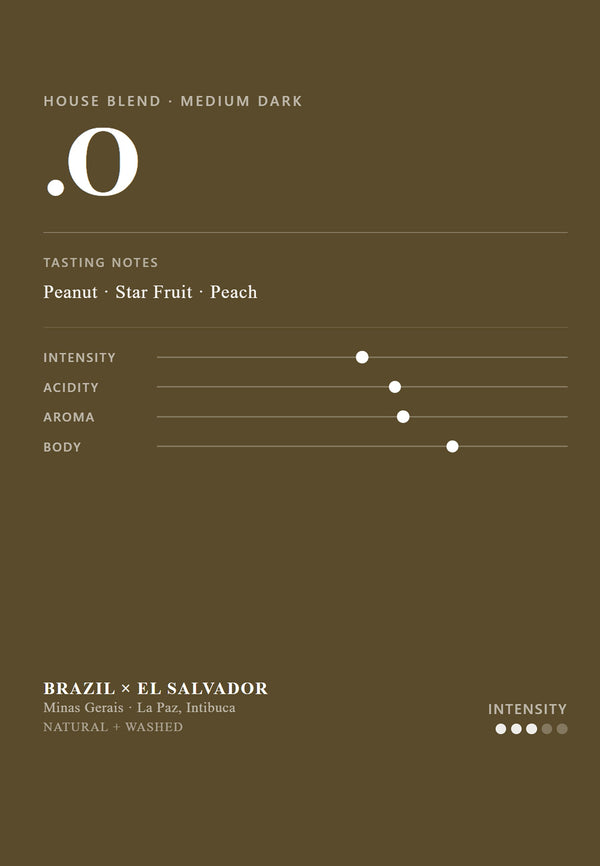
.O - Brazil × El Salvador
Not sour · Works for espresso & latte

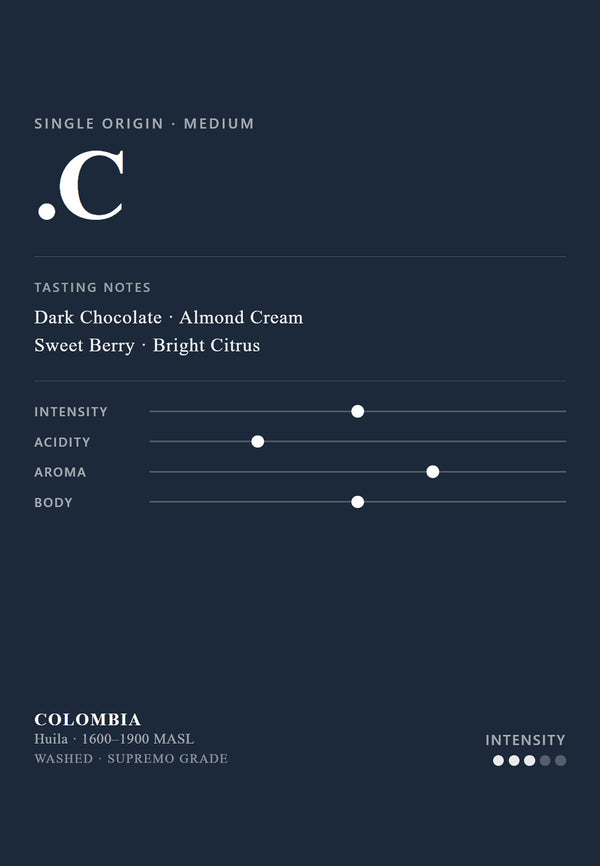
.C - Colombia Supremo
Bright & layered · Fruity espresso

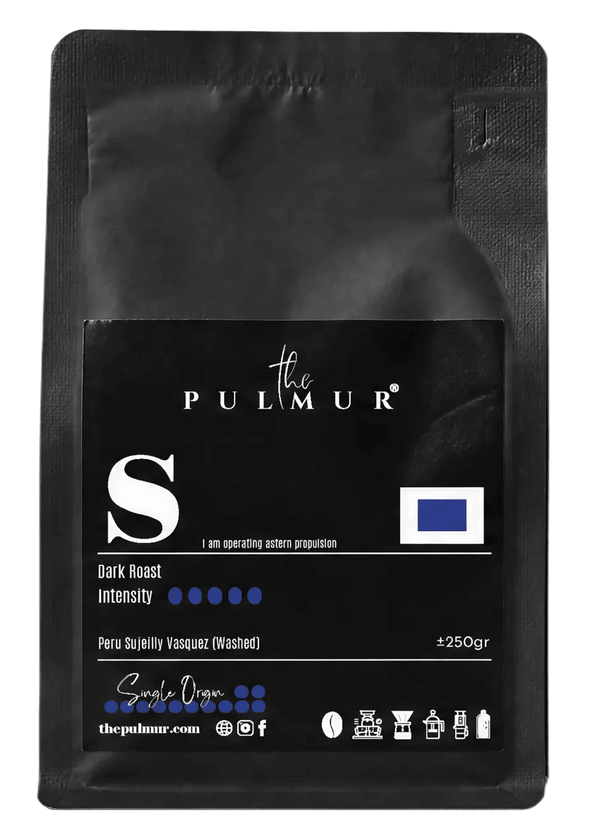
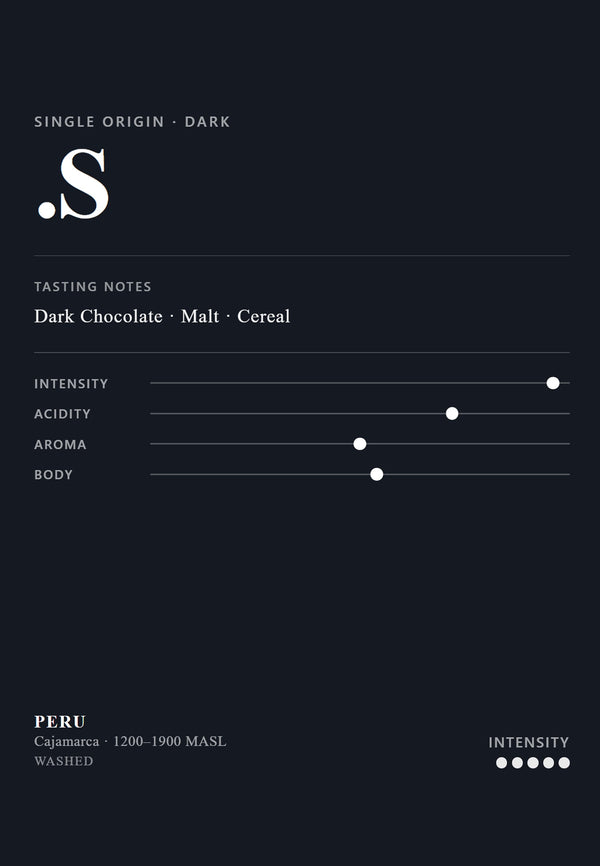
.S - Peru Sujeilly Vasquez
Maximum intensity · For serious dark roast drinkers