Why Does Coffee Taste Sour? Fix the Cup Before You Blame the Beans

Coffee usually tastes sour because it is under-extracted: the water moved through the grounds too quickly, the grind was too coarse, the water was too cool or the coffee did not brew for long enough. But not every bright cup is faulty. A light or fruit-led coffee can have a clean, sweet acidity that is part of its character. The useful question is not simply “Is this coffee acidic?” It is “Does the cup taste sharp and unfinished, or bright and complete?”
Picture the first espresso on a Monday morning. The machine sounds normal. The shot arrives faster than usual, looks pale at the end and tastes like lemon water wearing a coffee costume. Adding milk hides it. Sugar hides it better. Neither tells you what happened.
Before blaming the bag, change one thing and make another cup.
Start here: keep the same coffee dose and drink size, then grind one small step finer. If you cannot change the grind, use slightly hotter water or give the water more contact time. Taste again. One controlled change teaches you more than adjusting the grind, temperature, dose and recipe all at once.
First, decide what “sour” means in your cup

People use sour, acidic, strong and bitter for different sensations. That is normal. Most of us were never taught a vocabulary for a disappointing office mug.
| What you notice | What it probably means | Your first move |
|---|---|---|
| Sharp lemon or vinegar-like taste, thin body, short finish | Likely under-extraction | Grind a little finer or extend contact time |
| Orange, berry or green-apple brightness with sweetness and a clean finish | Natural acidity may be working as intended | Decide whether you enjoy that style before changing the recipe |
| Burnt, medicinal or ashy flavour with a drying finish | Bitterness or over-extraction, not sourness | Grind coarser, shorten the brew or lower the temperature slightly |
| Sharp at first, then bitter and dry | Uneven extraction is possible | Improve grind consistency and wet the coffee evenly |
The old “tongue map” will not help. Sourness does not live on one special edge of the tongue. Pay attention to the whole experience instead: does the cup make your mouth water in a pleasant, fruit-like way, or does it feel hollow and abruptly sharp?
This is not just coffee-shop vocabulary. The World Coffee Research Sensory Lexicon, developed through the Sensory Analysis Center at Kansas State University, treats sour and bitter as separate measurable attributes and provides shared references for judging their intensity. Your preference remains personal, but the sensations are not interchangeable.
The five-minute sour-coffee test

This is the quickest way to separate a brewing problem from a coffee you simply do not like.
- Make the coffee exactly as usual. Note the dose, water amount, temperature setting and approximate brew time. You do not need laboratory precision; you need a repeatable starting cup.
- Taste it after it cools for a minute. Very hot coffee can hide both sweetness and faults. Write down two plain words. “Thin and lemony” is more useful than “bad.”
- Change one extraction lever. Grinder available? Go one small step finer. No grinder? Increase contact time or water temperature slightly.
- Keep everything else the same. Do not add an extra spoon of coffee and reduce the water while also changing the grind.
- Compare the second cup with the first. If it is sweeter and fuller, you were moving in the right direction. If it becomes dry or harsh, ease back.
Why so strict about one change? Because a “fixed” cup is useful, but learning which change fixed it prevents the same problem tomorrow.
What under-extraction actually means
Brewing is the process of dissolving flavour from ground coffee into water. When the water has too little access to the grounds, the finished drink can lack the sweetness, body and depth that balance its sharper flavours. That is under-extraction.
You will often hear that acids extract first, sweetness comes next and bitterness arrives last. It is a handy barista shortcut, but coffee does not release compounds in three tidy queues. Treat the model as a way to understand the cup: more effective contact generally moves a thin, sharp brew toward greater sweetness and body. Too much can move it toward dryness and harshness.
Four things change that contact:
- Grind: finer particles expose more surface area and usually extract more quickly.
- Time: longer contact gives the water more opportunity to dissolve flavour.
- Temperature: hotter water generally extracts more readily.
- Evenness: water must reach all the coffee rather than finding one easy path through it.
Temperature deserves a qualification. In a controlled drip-coffee study published in Scientific Reports, trained tasters found little sensory difference between brews made at 87°C, 90°C and 93°C when brew strength and extraction yield were kept equivalent. In an ordinary kitchen those variables are rarely held constant, so hotter water can still help a reluctant extraction—but temperature is one lever, not a cure by itself. See Batali and colleagues’ brew-temperature study.
The correct fix depends on the brewer. “Grind finer” is useful advice until someone is holding pre-ground coffee or standing in front of an automatic machine with one button.
If your espresso tastes sour
A fast espresso is the classic case. The shot rushes through, turns pale early and leaves a thin, sharp taste. Keep the dose and intended drink size the same, then move the grinder one small step finer. Purge the retained grounds if your grinder needs it, make another shot and compare.
A roughly 1:2 espresso recipe is a sensible place to begin: for example, 18 g of dry coffee producing about 36 g of espresso. Many setups land somewhere in the mid-20-to-30-second range. Those numbers are a starting reference, not a law. Basket design, coffee, roast age and machine pressure all change the result.
If the shot is still sour:
- raise the brew temperature slightly if the machine allows it;
- check that the coffee bed is level before tamping;
- break up clumps and distribute the grounds evenly;
- make sure the basket and shower screen are clean;
- give very freshly roasted espresso several days to settle before chasing the grinder all morning.
A shot can taste sour and bitter at the same time. That often points to uneven extraction: water over-extracts an easy channel while leaving other grounds under-extracted. Going endlessly finer will not repair a badly prepared puck. Peer-reviewed espresso modelling and experiments published in Matter likewise show that grind, coffee dose and pressure interact; espresso consistency is not controlled by the grinder dial alone.
If pour-over or drip coffee tastes sour
For V60 and similar pour-over brewers, move the grinder slightly finer while keeping the coffee-to-water ratio unchanged. A finer bed slows the drawdown and gives water more access to the coffee. Pour steadily and make sure the entire bed is wet; dry pockets do not contribute much sweetness.
Water around 92–96°C is the traditional filter-coffee starting range referenced in brewing standards, but it is not a magic taste window. A darker roast may taste better at the cooler end, while a lighter coffee may need more heat to reach a similar extraction. If your kettle has no thermometer, water shortly after boiling is a more useful starting point than water left cooling for several minutes.
For an automatic drip machine, check something less glamorous first: does it brew hot enough, and is it clean? Scale and old coffee oils can change both flow and flavour. The National Coffee Association’s drip-brewing guide also recommends consistent burr-ground coffee and regular cleaning because grind variation, trapped grounds and accumulated oils affect extraction and taste. If the machine is working properly but a coarse pre-ground coffee still tastes thin and sour, use a smaller batch, a slightly longer contact method or coffee ground for that machine.
If French press coffee tastes sour
“French press means the coarsest grind possible” is repeated too casually. Boulders of coffee can produce a weak, sharp cup even after a long soak. A consistent medium-coarse grind is a better starting point than extremely coarse pieces mixed with dust.
Use properly hot water, wet all the grounds and allow about four minutes before plunging. If the cup remains thin and sour, add 30–60 seconds before changing the dose. Pour the brewed coffee out after plunging rather than letting the last mug sit on the grounds for another half hour.
If your coffee was purchased pre-ground, contact time is your easiest lever. You cannot make the particles finer, but you can steep them a little longer and keep the water hot enough.
If moka-pot coffee tastes sour
Fill the basket level with a medium-fine grind and do not tamp it like espresso. Fill the base safely below the valve, assemble the brewer correctly and use moderate heat. The flow should be steady rather than explosive.
If the drink is thin and sharp, try a slightly finer grind. If it spits, tastes burnt or leaves a harsh metallic finish, the heat may be too aggressive or the brewer may have remained on the stove after the useful extraction ended. Remove it as the stream turns pale and before prolonged sputtering.
One warning: do not respond to sourness by packing the basket as tightly as possible. That changes resistance unpredictably and can make an uneven, unpleasant brew.
If an automatic coffee machine tastes sour
Automatic bean-to-cup machines hide most of the brewing decisions behind a screen, but the same principles apply. Start with the controls the machine actually gives you:
- select a stronger aroma or higher-dose setting;
- reduce the beverage volume instead of asking one small dose to fill a large mug;
- raise the coffee-temperature setting if available;
- move the grinder one step finer, following the manufacturer’s instructions;
- run two or three coffees before judging a grinder adjustment because retained grounds may delay the change.
Many manufacturers advise moving the grind dial only while the grinder is operating. Check the manual rather than forcing it. Also clean the brew group, spouts and milk path on schedule. A machine that has not been cleaned is not a neutral test of the beans.
Large office “coffee” settings are frequent offenders. The machine may use one modest dose and push too much water through it. A smaller black coffee or an espresso topped up with hot water can taste better than the maximum-volume button.
If you only have pre-ground or instant coffee
No grinder does not mean no control. With pre-ground coffee, use the brewer named on the bag, keep the water hot and adjust contact time. Buy smaller amounts so the open bag is not sitting beside a warm stove for months. In Malaysia’s heat and humidity, close the seal immediately and keep wet spoons away from the coffee.
If instant coffee suddenly tastes sour, check the simple things:
- Did water or a wet spoon get into the jar?
- Does the powder smell different, clump unusually or show any sign of moisture?
- Did the water source change?
- Is the milk still good?
Discard coffee or milk that smells spoiled or shows contamination. Sugar and condensed milk can cover a sharp flavour, but they cannot make spoiled ingredients safe.
When sour and bitter appear in the same cup
This sounds contradictory only if we imagine the entire coffee bed extracting evenly. It often does not.
In espresso, water may punch through a crack or weak spot. Grounds beside the channel receive too much water while the rest receive too little. In pour-over, one aggressive pour can hollow out the bed and send water down the side. A low-quality grinder may create both large pieces and fine dust.
The cup can then be sharp, bitter and dry all at once. The fix is evenness:
- use a more consistent grind;
- distribute espresso grounds before tamping;
- pour evenly rather than drilling one spot;
- avoid huge grind changes that create a new problem;
- clean blocked holes, screens and filters.
Watch the sour-versus-bitter problem being diagnosed
A written flavour table is useful; hearing an experienced coffee educator describe the confusion while working through real extractions is better. In the video below, Lance Hedrick explains why sourness and bitterness are sometimes misidentified and why roast development and extraction should not be reduced to one tidy spectrum. Treat it as a practical demonstration alongside the research—not as a replacement for it.
If the embedded player is unavailable, watch “Why Your Coffee Is Sour/Bitter” on YouTube. Espresso users may also find James Hoffmann’s beginner’s guide to fixing bad espresso useful.
Sometimes the coffee is not broken
A washed Ethiopia can remind one person of citrus and another of sour fruit. A medium-dark Brazil blend can feel comforting to the second person and dull to the first. Neither drinker has failed a taste test.
Pleasant acidity usually arrives with something else: sweetness, aroma, a fruit association and a clean finish. Faulty sourness feels unfinished. It dominates the cup, makes the body seem thin and gives little back after the initial sharpness.
Try the brewing corrections first. If the coffee becomes sweeter but still tastes brighter than you enjoy, the recipe may be sound and the roast profile may simply be wrong for you. There is no prize for finishing a bag you dislike while pretending your palate will eventually receive an education.
Freshness, water and milk can change the diagnosis
The beans were roasted yesterday
Very fresh coffee is still releasing carbon dioxide. This is especially noticeable in espresso, where gas can disturb even extraction and make the shot difficult to control. Give a just-roasted bag several days before deciding that the coffee or grinder is faulty. A printed roast date makes that decision possible; an expiry date does not.
The open bag has lived beside the kettle
Old coffee does not follow one flavour script. It may taste flat, hollow, papery, woody or rancid rather than specifically sour. Keep the original bag sealed, dry and away from sunlight and heat. Do not buy a kilogram for one occasional drinker merely because the price per gram looks better.
The water is the variable nobody recorded
Distilled or extremely soft water can extract and taste differently from ordinary filtered drinking water. Very hard water can mute acidity and create scale. If every bag changed after moving house or replacing a filter, test the water before changing every recipe.
The black coffee is fine, but the latte tastes sour
Check the milk. Fresh dairy milk has its own gentle sweetness; spoiled milk has a different sharpness and smell. Plant milks can split or taste tangy when overheated or paired with a bright coffee. Diagnose the espresso and milk separately before blaming the beans.
When changing the coffee is the honest fix

You have ground finer, used properly hot water, allowed enough contact time and made the extraction more even. The cup is fuller now, but you still do not enjoy its fruit-led brightness. At that point, stop “fixing” a coffee that is behaving as designed and choose a different profile.
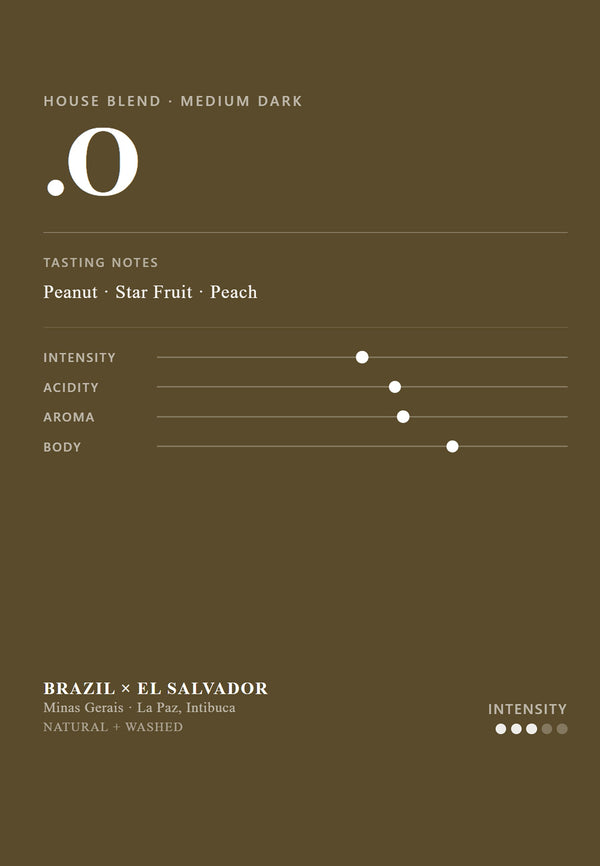
For a familiar daily cup, Pulmur’s Brazil–El Salvador medium-dark coffee beans for a smooth everyday cup are the sensible starting point. The .O house blend is 100% Arabica with peanut warmth, mild fruit and gentle sweetness. It is the Pulmur coffee made for someone moving from instant or darker everyday coffee who does not want a sharply acidic cup.
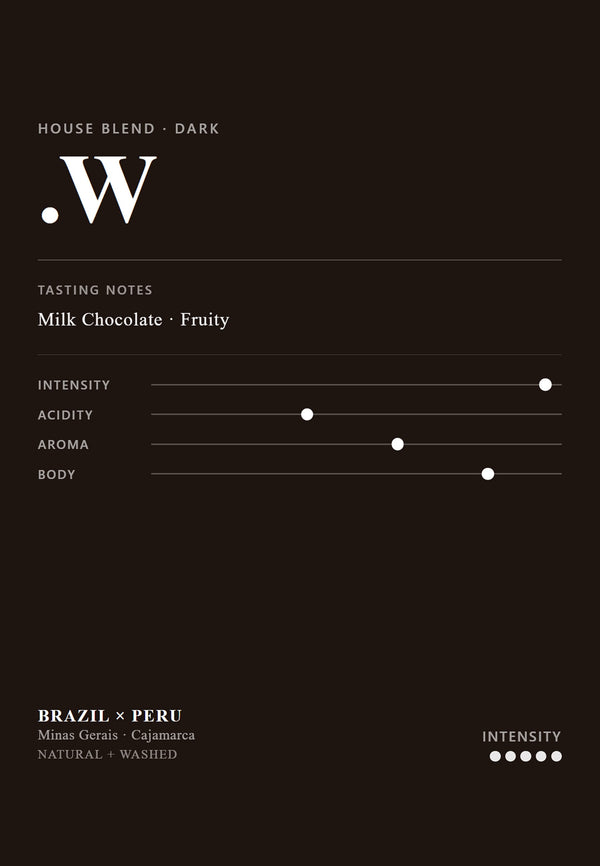
If you want more roast intensity, especially with milk, syrup or condensed milk, Brazil–Peru dark roast coffee beans for a stronger, lower-acidity profile are the bolder option. The .W blend is dark roasted, full-bodied and built to remain noticeable in a latte or kopi-style drink.
You can also compare Pulmur’s current medium-dark roast coffee beans and dark roast coffee beans. Roast level is not a medical measure of acid and darker is not automatically better. It is simply a useful taste direction when bright fruit is not what you want in the mug.
Every Pulmur bag carries a roast date and can be ordered whole or ground for espresso, filter or Turkish coffee. If you are unsure which coffee or grind matches the brewer, start with the machine—not a tasting-note quiz. A photo of the brewer and a description of the drink you normally make are often enough to narrow it down.
Your next cup only needs one change
If the coffee ran fast and tasted thin, grind finer. If the grind is fixed, give the water more heat or time. If the cup is sweet, juicy and clean but still not enjoyable, choose a smoother roast next time.
That is the whole diagnosis: fix the brew when the brew is wrong; change the bean when the flavour is wrong for you. Browse Pulmur’s freshly roasted coffee beans by roast and drink style, or send Pulmur a photo of your brewer for a practical grind and coffee recommendation.
Sources and further reading
The practical recommendations above were checked against coffee-industry standards, sensory references and peer-reviewed research. These are the most useful source pages if you want to go deeper:
- World Coffee Research Sensory Lexicon — a research-based vocabulary for 110 coffee aroma, flavour and texture attributes, including sour and bitter.
- Batali et al., Scientific Reports: brew temperature and sensory profile — controlled comparison of 87°C, 90°C and 93°C drip brews at equivalent strength and extraction.
- Cameron et al., Matter: systematically improving espresso — mathematical modelling and experiments on grind, dose, pressure, flow and repeatability.
- Specialty Coffee Association standards — the industry framework covering brewing performance, evaluation methods and shared technical terminology.
- National Coffee Association drip-coffee guide — accessible method guidance on grind size, filter choice, consistency and equipment cleaning.