The right office coffee setup in Malaysia is the one that matches how many people are actually present, what they drink, who will clean the equipment and how quickly the pantry must recover when something goes wrong. A small team may be better served by drip bags or a simple brewer. A busy office may need a bean-to-cup machine, a dependable coffee and a fixed replenishment schedule. A client-facing workplace may need two coffee points so one queue or breakdown does not stop the entire floor.
That is why buying a machine first is often the wrong starting point. The machine is only one part of the system. Coffee, water, grind, recipes, milk, cleaning, staff onboarding, stock levels and support determine whether people still enjoy using it three months later.
Pulmur approaches office coffee from the opposite direction: understand the workplace, taste the options, choose the simplest format that can handle the demand, calibrate it, show the team how to use it and then establish a supply rhythm. The solution can work around an existing machine, a no-machine pantry, different drink preferences or a growing office instead of forcing every customer into one package.
The short answer: plan the coffee around a normal Tuesday, not the company’s total headcount and not the machine brochure. Count the people present, estimate cups, identify peak times, decide who owns cleaning and test the coffee before committing to a standing order.
What office coffee setup fits your team?
This is a practical starting point, not a machine specification. Two offices with 40 employees can need completely different setups: one may have 18 people in on most days, while the other hosts clients and training sessions from morning to evening.
| People normally present |
A sensible starting setup |
What to check before buying |
| 5–10 |
Drip bags, correctly ground coffee with a simple brewer, or a compact automatic machine |
Whether the team drinks enough coffee to justify a machine, and who will clean it |
| 11–30 |
Compact bean-to-cup machine, batch brewer, or a hybrid of shared brewing and drip bags |
Morning queue, milk-drink demand, water access and storage for beans and consumables |
| 31–60 |
Commercial bean-to-cup or batch-brew system with a documented daily cleaning routine |
Cups per hour at the busiest time, refill frequency and service response |
| 61–120 |
Higher-capacity equipment or two coffee points, supported by scheduled stock and preventive care |
Whether one machine creates a queue or a single point of failure |
| More than 120 |
A site-specific plan with multiple stations, clear ownership and backup capacity |
Floor layout, pantry traffic, visitor use, water filtration, uptime and multi-site ordering |
The smartest answer is not always the most impressive machine. If eight people make twelve cups a day, a clean, low-maintenance method can outperform a complicated machine nobody wants to descale. If 80 people arrive between 8:30 and 9:15, convenience and throughput matter just as much as tasting notes.
Three office situations that look similar on paper - but are not
The following are illustrative examples, not customer testimonials. They show why office coffee supply should be designed around behaviour rather than a generic company-size package.
An eight-person studio with no pantry owner
Everyone likes coffee, but nobody wants another appliance to maintain. Most people are in the office three days a week and drink one cup in the morning. A large automatic machine would occupy the counter, require cleaning and make the coffee unusually expensive once low usage is considered.
A more realistic answer is a kettle, individual drip bags or correctly ground coffee with a simple shared brewer. There is little training, no grinder adjustment and no machine contract. The office can keep one smooth coffee for everyday use and reorder according to actual consumption.
A 35-person professional firm with a 9 a.m. queue
The team is hybrid, but Tuesdays and Thursdays are busy. Most drinks are lattes or long blacks, and the meeting rooms bring extra demand. A home machine may make good coffee, yet it can become frustrating when ten people want a cup within 20 minutes.
This office needs peak-capacity planning. A compact commercial bean-to-cup machine may make sense, provided the milk and cleaning system suit the people using it. The coffee should be tested in that machine, not only tasted as a café espresso. A medium-dark, low-acidity blend is often the safer shared starting point.
A 120-person operation with two floors
Putting one premium machine on one floor creates a queue, unnecessary lift traffic and a serious problem when the machine is unavailable. Two correctly sized stations may serve the office better than one higher-priced centrepiece.
This setup also needs par levels: how much coffee, milk and cleaning material each station should hold before replenishment. The supply plan must account for month-end work, training days and visitors rather than using the same quantity every week without review.
Calculate monthly coffee before comparing suppliers
Start with people normally present, not the number on the organisation chart. Then use this planning formula:
people present × coffee participation × cups per drinker × coffee dose × working days ÷ 1,000
For example, assume 60% of people present drink office coffee, each participating person has 1.5 cups per day and there are 22 working days. A 10–18 g dose per cup gives this planning range:
| People normally present |
Estimated cups per month |
Approximate coffee per month |
| 10 |
198 |
2.0–3.6 kg |
| 25 |
495 |
5.0–8.9 kg |
| 50 |
990 |
9.9–17.8 kg |
| 100 |
1,980 |
19.8–35.6 kg |
| 200 |
3,960 |
39.6–71.3 kg |
The wide range is deliberate. Some automatic machines use a smaller dose; a café-style double espresso may use about 18 g. Milk drinks, stronger recipes and calibration waste increase consumption. Drip bags use the fixed dose packed into each bag, so calculate them by units rather than applying the espresso range.
For a better first estimate, ask five questions:
- How many people are normally in the office on the busiest weekday?
- How many currently buy coffee outside or make it in the pantry?
- Do they mainly drink black coffee, latte-style drinks or sweet iced coffee?
- Are clients, training groups or visitors included?
- At what time does demand peak?
Track the first four weeks and revise the standing order. A slightly imperfect estimate followed by a real review is more useful than pretending the first forecast will be exact.
Choose the coffee format before choosing a machine
| Format |
Best suited to |
Daily effort |
Main trade-off |
| Drip bags |
Small or hybrid teams, meeting rooms and offices without a machine |
Low: add hot water and discard the bag |
Higher packaging per cup and slower when many people brew at once |
| Pre-ground coffee with a shared brewer |
Teams that want simple black coffee without managing a grinder |
Low to moderate: measure, brew and rinse |
Ground coffee loses aroma faster after opening and must match the brewer |
| Whole beans with batch brewing |
Busy offices serving several black coffees at once |
Moderate: grind, brew, clean and discard grounds |
Needs a grinder, recipe and somebody who will brew on schedule |
| Automatic bean-to-cup |
Offices wanting one-touch espresso, long coffee and sometimes milk drinks |
Low for users; regular cleaning is still essential |
Capacity, milk hygiene, service and recipe quality vary greatly by machine |
| Capsules |
Low-volume rooms where consistency and minimal training matter |
Low |
Higher per-cup cost, packaging waste and limited recipe control |
| Semi-automatic espresso |
Client lounges or teams with a trained, willing operator |
High: grinding, dosing, steaming and cleaning |
Excellent coffee is possible, but consistency falls without skill and ownership |
There is no shame in choosing the lower-maintenance option. An office pantry is not a café, and the finance manager should not accidentally become a barista trainer. The winning setup is the one people can operate properly on an ordinary working day.
Do you need an office coffee machine?
A machine is useful when the team wants fast individual drinks, daily volume is high enough to justify it and somebody will own the cleaning routine. It is less useful when attendance is unpredictable, only a few cups are made or the pantry has poor access to water, drainage, power or cleaning space.
Use the existing machine when it is still fit for the job
Replacing working equipment should not be automatic. First check its realistic cups-per-hour capacity, grinder condition, available dose range, cleaning history and whether replacement parts or service are available. A different coffee, grind setting and recipe can sometimes solve a disappointing cup without replacing the machine.
Rent when uptime and predictable service matter more than ownership
Rental can suit an office that wants a monthly operating expense and expects servicing, cleaning visits or breakdown cover to be included. Read the proposal carefully. Ask what happens when usage changes, what consumables are compulsory, how long the commitment lasts and whether a replacement machine is available during a major repair.
Buy when the office can manage the asset
Purchase can cost less over a long useful life, but the office carries maintenance, repair and obsolescence risk. Confirm the warranty, service coverage, part availability and training before treating the machine price as the total cost.
Choose no machine when simplicity wins
A no-machine setup is often the smart decision for small teams, temporary project offices, meeting suites and workplaces where nobody owns pantry maintenance. Drip bags or correctly ground coffee still provide real brewed coffee without a large commitment.
The true cost of office coffee is more than beans
Compare proposals by monthly operating cost and cost per served cup, not only by the price of a kilogram or the machine rental.
cost per served cup = total monthly coffee-programme cost ÷ cups actually served
Include:
- coffee beans, ground coffee, drip bags or capsules;
- machine purchase, rental or financing;
- grinder and water-filtration costs;
- milk, alternatives, sugar, cups and lids where relevant;
- cleaning tablets, brushes, filters and descaling;
- preventive service and repairs not included in the contract;
- staff time spent refilling, cleaning and troubleshooting;
- coffee wasted during calibration, stale stock and abandoned drinks;
- outside café spending that continues because the pantry coffee is not used.
A cheaper coffee that nobody drinks is expensive. A beautiful espresso setup that stays dirty is also expensive. Value comes from cups people willingly make, at a quality the office can repeat, without turning pantry care into a daily argument.
Choose office coffee beans by the drinks people actually make
Country names and tasting notes can help, but the office decision is simpler: will the coffee be drunk black, with milk, over ice or with syrup? A shared office coffee should be forgiving across several users and recipes.
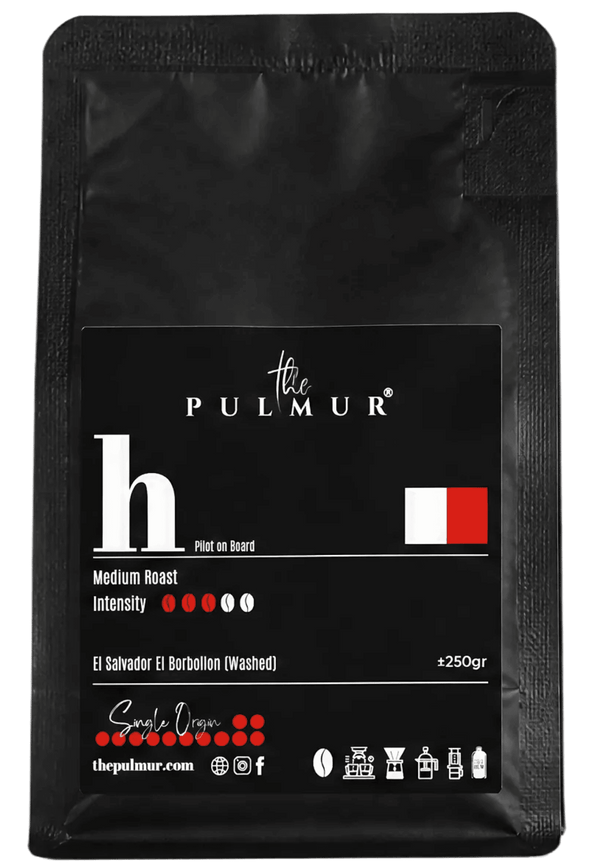
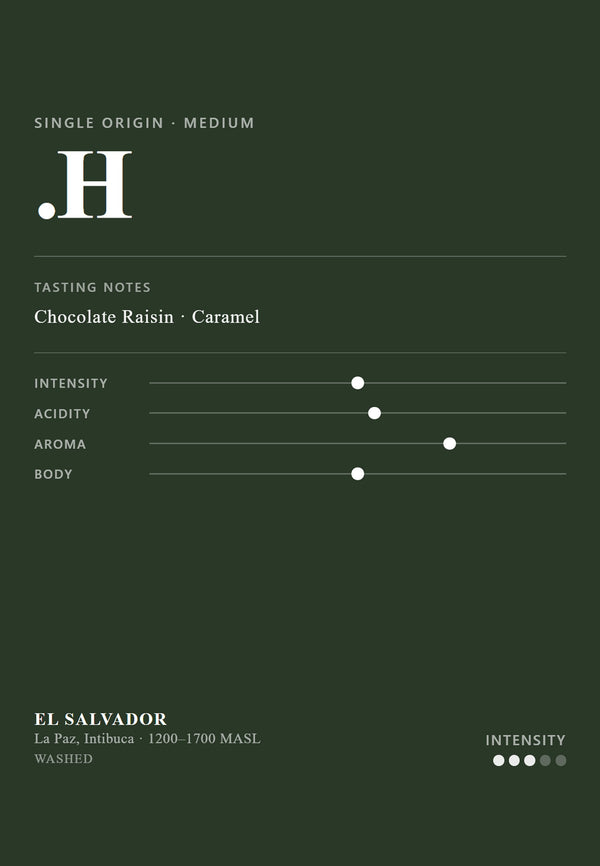
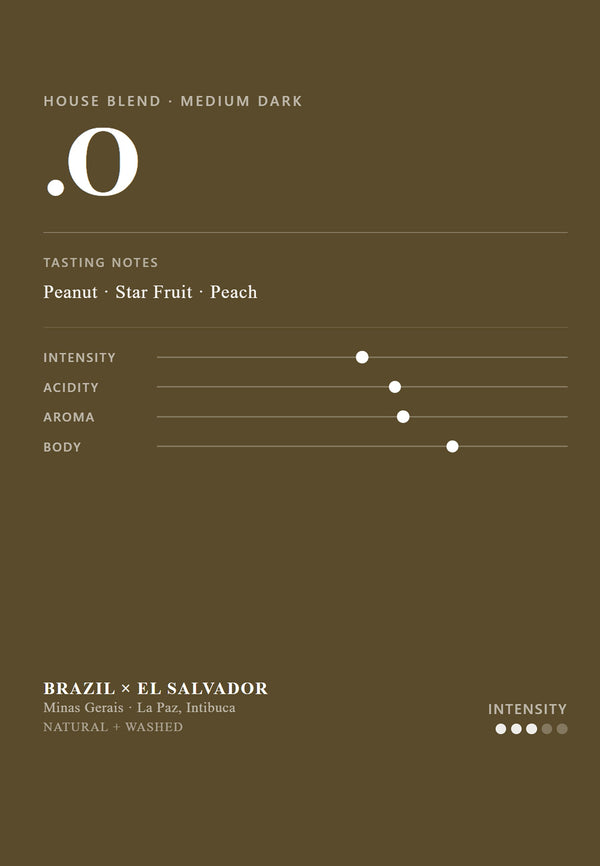
A smooth all-rounder
Pulmur’s Brazil–El Salvador medium-dark office coffee beans are the broadest starting point. The .O house blend is 100% Arabica with peanut, mild fruit and gentle sweetness. It is designed to taste smooth rather than sharply sour and works for espresso, long coffee and milk drinks.
A coffee chosen for lattes
If the pantry mostly makes lattes, cappuccinos or iced milk coffee, Brazil–Colombia coffee beans for office lattes provide a medium-dark, very-low-acidity profile with milk-chocolate and caramel-style notes. The .Z blend is easier to notice through milk than a delicate floral coffee.
A stronger profile for milk and syrup
For teams that say normal office coffee tastes weak, Brazil–Peru dark roast coffee beans for milk and syrup bring greater roast intensity. The .W blend makes sense for sweet iced drinks or a pantry accustomed to a bolder cup.
A second option for black-coffee drinkers
A larger office may offer one dependable house coffee and one more distinctive option. Ethiopia Sidamo coffee beans for a fruitier black coffee are intentionally berry-led and floral. They should be a considered choice, not the automatic recommendation for a milk-heavy office.
Every Pulmur coffee bag carries a roast date. Whole bean, espresso ground, filter ground and Turkish grind are available, with 250 g, 500 g, 1 kg and larger commercial formats discussed according to the account. Browse the current range of freshly roasted coffee beans from Pulmur, but use a sample and the actual office setup before selecting a standing coffee.
What Pulmur’s A–Z office coffee onboarding looks like
Pulmur’s role is not to drop a carton at reception and leave the office to work everything out. The programme is built around the workplace from the beginning and can adapt to existing equipment, a planned machine, a simple brewer or a no-machine pantry.
-
Understand the workplace. Pulmur starts with normal attendance, peak days, likely cups, drink preferences, visitor demand and the people responsible for the pantry.
-
Check the practical constraints. Counter space, power, water, drainage, storage, milk handling and cleaning capacity narrow the options before money is spent.
-
Taste before committing. A sample kit is matched to the office’s drink style and expected volume. The point is not to choose the most unusual coffee; it is to find the coffee people will use.
-
Choose the operating format. Whole bean, ground coffee, drip bags or a combination can be planned around the existing or intended setup. If equipment is needed, the required capacity and workflow should be defined before a model is selected.
-
Calibrate the coffee. Pulmur provides on-site or virtual dial-in support with recipes and target extraction ranges so the sampled coffee can be reproduced in the workplace.
-
Onboard the team. The people making and maintaining the coffee need a short, usable routine: how much coffee to use, what the finished drink should look like, what to clean and who to contact when it changes.
-
Set the supply rhythm. Coffee is roasted to order and placed on an agreed roast and delivery schedule instead of relying on old warehouse stock or emergency reordering.
-
Review and adjust. Consumption, taste and office attendance change. The quantity, grind, coffee or delivery interval can be reviewed rather than leaving the first setup untouched forever.
This flexibility is where Pulmur is different. A six-person studio does not need the same answer as a 150-person operations floor. A law firm’s client lounge does not have the same job as a factory pantry. The programme should work around the customer’s real constraints wherever technically practical.
What to put in an office coffee supplier brief
A useful quotation begins with useful information. Give every supplier the same brief so the offers can be compared fairly.
- office location and number of coffee points;
- people normally present on a quiet day and a peak day;
- estimated cups per day and busiest 30-minute period;
- black coffee versus milk-drink split;
- existing machine, grinder, water filter and brewer details;
- available counter space, power, water and drainage;
- preferred purchase, rental or use-existing-equipment route;
- who will refill and clean the setup;
- required delivery frequency and available storage;
- visitor, boardroom, event or multi-site requirements;
- certification and procurement documents that are genuinely mandatory;
- target monthly budget and desired contract length.
Then ask for the assumptions behind the quote: dose per drink, expected monthly cups, what is included in service, what is excluded, response time, replacement arrangements, training, cleaning responsibilities and how the plan changes if consumption is higher or lower.
Six details that keep office coffee working after launch
1. Give the pantry an owner
This does not need to be a full-time job. One named person or facilities team should own ordering, cleaning checks and escalation. “Everyone is responsible” usually means nobody notices the beans are nearly finished.
2. Put the recipe beside the equipment
Use one short card with dose, output or water amount, and the cleaning close-down. A recipe that lives only in a launch-day training session will be forgotten.
3. Keep a reorder point, not only a delivery date
Hybrid attendance, events and new hires can change consumption quickly. Set a minimum stock level that triggers a check before the office reaches the final bag.
4. Store coffee in the bag it arrived in
Keep it sealed, dry and away from heat and sunlight. Do not pour every delivery into a large clear hopper or jar merely because it looks tidy. Open a manageable amount at a time.
5. Treat water as part of the coffee
Water affects taste and scale inside equipment. Follow the machine manufacturer’s filtration requirements and replacement schedule. A coffee supplier cannot calibrate around a filter that should have been changed months ago.
6. Review the setup after the novelty period
The first week often produces unusually high use. Review again after four to six weeks. Ask what people actually drink, what is wasted, whether queues form and whether cleaning happens. That is when the useful long-term plan becomes visible.
Build the office coffee around the people—not the package
A successful office coffee programme is not defined by the largest machine or the longest list of drinks. It is the cup people can make consistently, the pantry somebody can maintain and the supply plan that keeps working after the launch week.
Pulmur office coffee supply and onboarding begins with the workplace itself: sample matching, format and equipment guidance, on-site or virtual calibration, staff onboarding and scheduled roast-to-order supply. Share the number of people normally present, the drinks they prefer and any existing equipment. Pulmur will work from there and shape the practical route around the customer.